
Japanese plant pots on stands transcend mere functional objects; they embody a deep-rooted aesthetic tradition. From meticulously crafted ceramics to elegantly designed wooden bases, these pieces offer a harmonious blend of artistry and nature. Their enduring appeal lies in the meticulous attention to detail, the thoughtful integration of form and function, and the quiet elegance they bring to any space.
This exploration delves into the world of Japanese plant pots on stands, examining their diverse styles, materials, and cultural significance. We’ll uncover the secrets to selecting the perfect combination of pot and stand, ensuring a cohesive and visually appealing arrangement, whether for a tranquil indoor oasis or a serene outdoor garden.
Overview of Japanese Plant Pots on Stands
Japanese plant pots on stands are more than just containers; they are objects of aesthetic appreciation and cultural significance, deeply rooted in the country’s appreciation for natural beauty and the art of arranging living things. These pots, often meticulously crafted, showcase the harmony between nature and human artistry.Japanese plant pots on stands embody a philosophy of simplicity and elegance, reflecting a desire to create a serene and aesthetically pleasing environment.
The pots are designed to complement the plants they hold, emphasizing the beauty of the flora rather than the pot itself. Materials, design, and size all contribute to this harmonious aesthetic.
Materials
The selection of materials used in crafting Japanese plant pots on stands reflects the balance between practicality and aesthetic appeal. Common materials include ceramic, renowned for its versatility and ability to be molded into various forms; wood, prized for its natural warmth and texture; and metal, providing a sophisticated and often minimalist aesthetic. Each material offers unique properties, influencing the pot’s visual appeal and durability.
For example, glazed ceramic pots often feature intricate patterns and colors, while wooden pots may showcase the natural grain of the wood.
Design Elements and Styles
The design elements of Japanese plant pots on stands span a spectrum of styles, reflecting the evolution of Japanese aesthetics. Minimalist designs often prioritize clean lines and simple forms, creating a serene and uncluttered presentation. Traditional designs frequently feature intricate patterns, symbolic imagery, or traditional motifs that draw on centuries of cultural heritage. Contemporary designs blend traditional elements with modern sensibilities, resulting in unique and innovative aesthetic statements.
Sizes and Shapes
The sizes and shapes of Japanese plant pots on stands are as diverse as the plants they hold. Small, delicate pots are perfect for bonsai trees, showcasing their intricate forms. Medium-sized pots are suitable for a range of flowering plants, creating visual focal points. Larger pots, often on taller stands, are well-suited for taller plants, creating impactful displays.
Shapes vary from traditional round or square forms to more contemporary, asymmetrical designs. The selection of size and shape directly impacts the overall aesthetic and the specific plants that can be accommodated.
Types and Styles of Stands
Japanese plant pots, renowned for their aesthetic appeal and cultural significance, are often displayed on stands that play a crucial role in the overall presentation. The selection of a stand not only elevates the pot’s visual impact but also complements the plant’s character and the surrounding environment. Different stand styles offer varying levels of visual emphasis and functionality, reflecting the diverse needs and preferences of plant enthusiasts.Choosing the right stand for a Japanese plant pot is a nuanced process, requiring consideration of the pot’s size, shape, and aesthetic qualities, as well as the overall design of the space where it will be placed.
A well-chosen stand can enhance the visual harmony of the pot and plant, creating a captivating display that draws attention and inspires contemplation.
Pedestal Stands
Pedestal stands, often featuring a sculpted base, provide a dramatic presentation for Japanese plant pots. Their elevated design draws the eye upward, emphasizing the plant’s presence and creating a sense of elegance and sophistication. These stands, typically made of materials like wood, stone, or metal, are frequently chosen for larger pots and for rooms with a more formal or traditional aesthetic.
They are frequently employed to showcase a plant as the focal point of a room or a specific area.
Side Table Stands
Side table stands, often crafted from wood or metal, provide a practical and visually appealing way to display Japanese plant pots. These stands are often compact and portable, making them adaptable to various spaces and arrangements. The design features typically prioritize functionality and aesthetics, offering a versatile display option for both indoor and outdoor settings. The height and design of the side table can influence the overall look of the arrangement, providing a balance between the pot and the surrounding space.
Wall-Mounted Stands
Wall-mounted stands offer a space-saving and visually interesting alternative for displaying Japanese plant pots. They are particularly suitable for smaller spaces or when maximizing vertical display areas is desired. The design and materials used for wall-mounted stands can vary widely, reflecting the wide range of aesthetic preferences and needs. These stands are often integrated seamlessly into the existing décor, offering a sophisticated display solution.
The precise placement and design of wall-mounted stands can be crucial to avoid visual clutter or disruption to the overall aesthetic of the space.
Table Stands
Table stands are commonly used in a variety of settings, from homes to gardens, and can be chosen to complement the aesthetic of the space. They offer flexibility in terms of placement and are available in diverse styles and materials, ranging from simple wooden platforms to ornate, handcrafted designs. The size and shape of the table stand should be carefully considered to ensure it complements the pot and the surrounding environment.
The table stand can effectively support a wide range of pot sizes and shapes, and its material can influence the overall ambiance.
Table Comparison of Stand Types
| Stand Type | Examples | Pot Styles |
|---|---|---|
| Pedestal | Stone pedestal, wooden base | Large, decorative pots; traditional-style pots |
| Side Table | Small wooden tables, metal stands | Medium-sized pots, pots with delicate features |
| Wall-Mounted | Wooden brackets, metal mounts | Small to medium-sized pots, hanging pots |
| Table Stands | Wooden platforms, ornate stands | Wide range of pots, from small to large, depending on the size of the stand |
Materials and Construction
Japanese plant pots and stands, prized for their aesthetic appeal and longevity, often feature meticulous craftsmanship and the careful selection of materials. The interplay of form and function is central to their design, with durability and visual harmony considered paramount. These elements contribute to the enduring appeal and value of these handcrafted objects.The materials used in creating these pieces are carefully chosen for their ability to withstand the elements, maintain their shape over time, and complement the overall aesthetic.
From the delicate ceramic glaze to the sturdy wooden base, each component plays a vital role in the finished product’s enduring quality. The techniques employed in their creation often reflect centuries of tradition and innovation, resulting in a harmonious blend of artistry and practicality.
Ceramic Materials and Glazes
The most common material for Japanese plant pots is ceramic, often featuring intricate glazes. These glazes aren’t just decorative; they also contribute to the pot’s durability and resistance to water absorption. Different glazes produce various effects, from the smooth, glossy finish of a porcelain glaze to the matte, earthy tones of a raku glaze. The choice of glaze directly impacts the pot’s appearance and its ability to withstand moisture.
For instance, a well-fired, lead-free glaze offers a visually appealing surface while also providing a protective barrier against water damage.
Wood Finishes and Construction
Wooden stands provide a grounding element to the plant pots, often enhancing the overall aesthetic. The choice of wood, whether it’s a dense hardwood like maple or a lighter-toned wood like pine, impacts the stand’s visual character and its resistance to decay. Traditional Japanese woodworking techniques, such as joinery and sanding, are often employed to create strong and stable stands.
A meticulous finish, using lacquer or other protective coatings, is applied to the wood to preserve its beauty and extend its lifespan. For example, a lacquered wood stand not only enhances the pot’s appearance but also prevents moisture damage and insect infestation.
Metal Finishes and Construction
Metal stands, particularly those made of iron or bronze, can offer a distinct aesthetic, adding a sense of strength and permanence. The choice of metal, its finish (e.g., brushed, polished, or antique), and the design of the stand itself all contribute to the pot’s overall look. The metal’s properties, such as its ability to withstand rust and corrosion, are important considerations.
The application of protective coatings, such as enamel or a patina, safeguards the metal from environmental damage, ensuring longevity. For example, a well-treated iron stand can endure for generations, displaying its beauty and strength even after decades of use.
Table: Materials and Construction Techniques
| Material | Technique | Visual Example | Durability |
|---|---|---|---|
| Ceramic (Porcelain) | High-temperature firing, intricate glazing | Smooth, glossy surface with vibrant colors | High durability, resistant to water absorption |
| Wood (Maple) | Traditional joinery, lacquer finish | Warm tones, intricate details, protective layer | Strong and stable, resistant to decay |
| Iron | Protective coating (enamel), careful forging | Robust, strong, various finishes (e.g., antique) | Resistant to rust and corrosion, long lifespan |
Cultural Significance and History
Japanese plant pots on stands, a ubiquitous element in gardens and homes, carry a rich history intertwined with the nation’s aesthetic sensibilities and philosophical traditions. Their presence transcends mere practicality, reflecting a deep respect for nature and a commitment to harmonious living. From minimalist designs to intricate artistry, these vessels embody a profound connection to the natural world and a dedication to cultivating beauty within the home and garden.These pots and their stands aren’t simply containers; they are integral components of a carefully cultivated aesthetic.
Their design and placement are often meticulously considered, mirroring the Japanese concept ofwabi-sabi*, which embraces the beauty of imperfection and the transient nature of life. This philosophy permeates the choice of materials, the form of the pots, and the overall presentation within the space.
Historical Context and Cultural Significance
The use of plant pots on stands in Japan traces its roots back centuries, deeply embedded in the country’s artistic and cultural heritage. Early examples, often crafted from simple materials like wood or clay, served a practical purpose, but gradually evolved into objects of aesthetic appreciation. This evolution reflects a growing appreciation for the interplay between nature and human design.
The integration of plant pots into gardens and homes became a means of bringing the natural world indoors, fostering a sense of tranquility and connection with the environment.
Role in Japanese Gardens and Homes
Plant pots on stands play a multifaceted role in Japanese gardens and homes. They act as focal points, drawing the eye and creating visual interest within the landscape. Their placement is often strategic, reflecting the principles offeng shui* and incorporating the natural flow of energy. Within homes, these pots become miniature landscapes, bringing a touch of the garden indoors.
The careful arrangement of pots and plants contributes to a sense of calm and serenity, reflecting the importance of harmony in Japanese aesthetics. The pots are not just functional, they are also an extension of the home’s design and a representation of the homeowner’s personal taste and philosophy.
Evolution of Design
The design of Japanese plant pots on stands has evolved significantly over time, mirroring shifts in societal values and artistic trends. Early examples, often utilitarian and functional, gradually embraced more elaborate craftsmanship and aesthetic refinement. This evolution is clearly visible in the shift from simple, functional designs to intricate works of art.
Timeline of Evolution
- Early Periods (Pre-Edo Period, c. 12th-16th Centuries): Plant containers were primarily functional, crafted from readily available materials like wood and terracotta. Their design reflected a focus on practicality and simplicity. Examples of these early forms often featured straightforward shapes and were used for practical purposes, such as growing medicinal herbs.
- Edo Period (1603-1868): This period witnessed a rise in aesthetic awareness and the development of refined craftsmanship. Plant pots began to be designed with more attention to form and proportion. The introduction of new ceramic techniques and decorative motifs enriched the design language. Aesthetics became more important, with elaborate glazes and intricate patterns emerging.
- Meiji and Taisho Periods (1868-1926): Modernization and Western influences began to permeate Japanese culture. This period saw a blend of traditional and modern styles, reflected in plant pot designs. Some pots incorporated Western forms while maintaining traditional aesthetic elements. The introduction of new materials, such as metal, added further variety to the design spectrum. Pottery styles also diversified, reflecting the increased accessibility of foreign artistic styles.
- Showa and Heisei Periods (1926-2019): Continued diversification and experimentation with materials and designs. Japanese potters explored new forms and techniques, resulting in a broader range of styles and artistic expressions. The emphasis on functionality and aesthetics coexisted, creating a range of styles for contemporary use.
- 令和 Period (2019-Present): Contemporary plant pots on stands continue to draw inspiration from the past while adapting to modern sensibilities. Potters experiment with innovative techniques and materials, creating unique designs that blend tradition with contemporary aesthetics. Modern designs reflect the appreciation for both minimalism and intricate craftsmanship.
Matching Pots and Stands
Harmonious pairings of Japanese plant pots and stands elevate the aesthetic appeal of any indoor or outdoor space. Proper selection ensures the plant is showcased effectively, enhancing its visual impact and longevity. This process involves careful consideration of the plant’s size and type, as well as the overall scale and proportion of the pot and stand.A well-matched pot and stand not only enhances the plant’s visual appeal but also supports its health and stability.
This careful consideration reflects a deep appreciation for the artistry and balance inherent in Japanese design principles. A thoughtfully chosen combination reflects the delicate balance of form and function, contributing to a holistic and aesthetically pleasing environment.
Plant Type and Size Considerations
Selecting the appropriate pot and stand depends significantly on the plant’s characteristics. A large, sprawling plant needs a correspondingly substantial stand to maintain stability and prevent tipping. Conversely, smaller plants flourish in smaller, more delicate pots and stands, allowing for a more nuanced display. The pot’s height and width should also be proportionate to the plant’s mature size to prevent the plant from appearing either cramped or overwhelmed.
Scale and Proportion
The scale and proportion of the pot and stand are crucial for achieving visual harmony. A large, bulky pot on a petite stand will appear disproportionate and visually unbalanced. Conversely, a delicate pot on a massive stand may appear lost or dwarfed. Finding the right balance between the two elements is key to creating a visually appealing arrangement.
Consider the overall dimensions of the space and the surrounding décor to achieve the desired visual impact.
Visual Harmony and Balance
Visual harmony is achieved by considering the overall shape, color, and material of both the pot and the stand. Complementary colors and similar materials will create a cohesive and balanced look. For example, a dark-colored, stoneware pot on a matching stand will create a visually strong and sophisticated aesthetic. Conversely, a contrasting color scheme can create a dynamic and engaging display.
The height and width of the pot and stand should also be proportionate to one another and the surrounding elements.
Recommended Pot and Stand Combinations
| Plant Type | Recommended Pot Size (approx.) | Recommended Stand Type | Visual Considerations |
|---|---|---|---|
| Small Bonsai | 4-6 inches (diameter) | Low, pedestal stand with a simple, elegant design | Emphasis on the miniature form and intricate details of the bonsai. |
| Hanging Pothos | 6-8 inches (diameter) | Stylish, hanging pot stand, allowing for the plant to cascade gracefully. | A visually dynamic presentation emphasizing the plant’s cascading growth habit. |
| Large Fiddle-leaf Fig | 12-16 inches (diameter) | Tall, sturdy stand with a broad base | Large plant requires a stable and substantial stand to prevent tipping. |
| Succulents (clustered) | 8-10 inches (diameter) | Shallow, decorative tray or stand with raised edges | Highlights the compact, visually appealing clusters of succulents. |
Placement and Arrangement
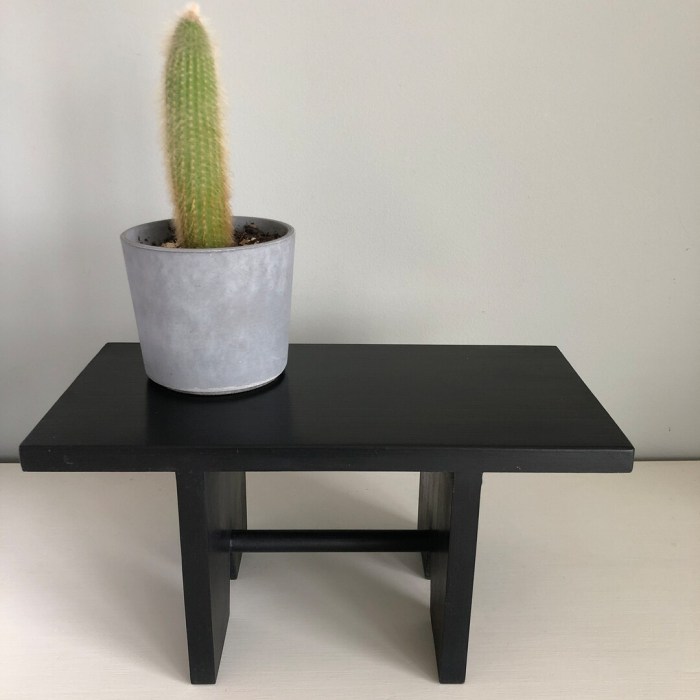
Elevating the aesthetic impact of Japanese plant pots on stands hinges on thoughtful placement. Careful consideration of light, space, and color coordination creates a harmonious blend between the potted plants and the surrounding environment. The interplay of these elements fosters a serene and inviting atmosphere, reflecting the principles of Japanese aesthetics.Strategic positioning of these decorative elements is crucial for maximizing their visual appeal.
Proper arrangement elevates the overall ambiance of a space, whether it’s a minimalist living room or a traditional Japanese garden. This involves more than simply placing a pot; it’s about crafting a narrative that resonates with the surrounding design.
Optimal Light Conditions
Proper lighting is essential for plant health and visual appeal. Japanese plants, like many others, thrive in specific light conditions. Direct sunlight can be detrimental to some varieties, while others require ample light for optimal growth. Understanding the specific light requirements of the plant will ensure its well-being and longevity. Careful observation of the plant’s natural environment is key to determining its optimal light exposure.
Space Considerations
The size and scale of the plant pot and stand should be carefully considered in relation to the available space. A large, elaborate pot on a towering stand might overwhelm a small room, while a delicate pot on a minimalist stand might appear lost in a vast expanse. A balanced proportion between the pot, stand, and the surrounding environment is paramount.
For example, a small bonsai on a low, simple stand might be a perfect fit for a corner of a study, but might feel out of place in a large living room.
Color Coordination
Harmonizing the colors of the plant pot, stand, and the surrounding décor enhances the overall aesthetic appeal. Complementary or analogous color schemes create a visually pleasing effect, while contrasting colors can add a dynamic touch. Consider the existing color palette of the room and choose pots and stands that complement or contrast in a way that enhances the overall visual narrative.
For instance, a deep green pot on a black stand can create a striking contrast against a light-colored wall, while a set of pots and stands in muted earth tones can seamlessly blend with a neutral color scheme.
Successful Arrangement Examples
Different settings benefit from diverse arrangement approaches. A minimalist living room might feature a single, elegant pot on a sleek stand, strategically placed to draw the eye. A traditional Japanese garden could showcase multiple pots of varying sizes and styles, arranged in a meticulously planned composition, reflecting the natural landscape. A contemporary home office might feature a small, potted succulent on a geometric stand, complementing the modern aesthetic.
Placement Options Table
| Placement Option | Image Description |
|---|---|
| Corner Placement | A small, potted fern on a low, wooden stand is positioned in a corner of a living room. The pot and stand complement the warm wood tones of the room’s furniture. The plant provides a touch of greenery and visual interest in the corner. |
| Focal Point Placement | A large, ceramic pot with a vibrant flower arrangement sits atop a tall, ornate stand. The stand is positioned as a focal point in a living room, drawing attention to the arrangement and creating a visual centerpiece. |
| Grouping Placement | Several pots of varying heights and styles are arranged on a series of stands of varying heights, creating a dynamic grouping on a shelf or windowsill. The arrangement adds texture and visual interest to the space. |
Care and Maintenance
Preserving the aesthetic appeal and longevity of Japanese plant pots and stands requires diligent care. Proper cleaning and maintenance, tailored to the material of the pot and stand, are crucial for maintaining their beauty and structural integrity. Ignoring these practices can lead to damage, discoloration, and a shortened lifespan for these exquisite pieces.Understanding the specific care needs based on the material ensures the longevity of these delicate and often heirloom-quality items.
This section details recommended cleaning and maintenance methods for different materials, emphasizing preventative measures to safeguard the integrity and beauty of the pots and stands.
Cleaning Methods for Different Materials
Maintaining the pristine appearance and structural integrity of Japanese plant pots and stands hinges on appropriate cleaning techniques. These methods vary significantly based on the material. Different materials respond differently to cleaning agents, and improper treatment can damage the delicate surfaces.
- Ceramic Pots: Gentle cleaning with a soft sponge or cloth dampened with mild dish soap is recommended. Avoid abrasive cleaners or scouring pads, which can scratch the surface. Rinse thoroughly and dry completely to prevent water stains. For stubborn stains, a paste of baking soda and water can be effective. Never immerse ceramic pots in water for extended periods, as this can potentially lead to cracks or breakage, particularly for older or delicate pieces.
- Wood Stands: Wipe down wooden stands with a damp cloth and mild soap. Avoid excessive moisture, as it can lead to warping or staining. Apply a wood sealant or polish periodically to maintain the wood’s luster and protect it from moisture damage. For more intricate or carved designs, a soft-bristled brush can help remove dust without scratching.
- Metal Stands (e.g., Iron, Brass): Use a soft cloth dampened with a mild solution of water and a mild dish soap for cleaning. Avoid harsh chemicals or abrasive materials. For brass, a brass-specific cleaner can be used, but always test in an inconspicuous area first to avoid discoloration. Pat dry thoroughly and apply a protective sealant or oil to prevent rust and maintain the shine.
- Stone Stands (e.g., Granite, Slate): Gentle scrubbing with a soft brush and a mild soap solution is suitable for cleaning. Avoid harsh chemicals that could damage the stone’s surface. Ensure thorough rinsing and drying to prevent water spots. For particularly porous stones, consider using a stone-specific sealant to protect against stains and moisture absorption.
Preventing Damage and Ensuring Longevity
Implementing preventative measures is key to preserving the beauty and structural integrity of Japanese plant pots and stands for years to come. These measures extend beyond cleaning and focus on minimizing environmental factors that can cause damage.
- Protecting from Extreme Temperatures: Avoid placing pots and stands in direct sunlight or near heating vents, as these can cause the materials to dry out or warp. Similarly, protect them from frost and freezing temperatures, which can lead to cracks or breakage in certain materials.
- Handling with Care: When moving pots or stands, use both hands to support the weight evenly, avoiding any sudden movements that could lead to damage. Ensure a stable surface to prevent accidental tipping or drops.
- Preventing Water Damage: Avoid allowing water to accumulate in the pots or stand for prolonged periods. This can lead to mildew, mold, or other issues, particularly in pots with less drainage. Proper drainage is crucial for all pot types.
Material-Specific Care Table
The table below summarizes the recommended care practices for different materials.
| Material | Cleaning Method | Maintenance Tips |
|---|---|---|
| Ceramic | Mild dish soap, soft sponge | Avoid harsh chemicals, prolonged water immersion |
| Wood | Damp cloth, mild soap | Avoid excessive moisture, apply sealant |
| Metal (e.g., Iron, Brass) | Mild soap solution, soft cloth | Apply protective sealant or oil, test chemicals first |
| Stone (e.g., Granite, Slate) | Soft brush, mild soap solution | Avoid harsh chemicals, ensure thorough drying |
Indoor vs. Outdoor Use
Japanese plant pots on stands, meticulously crafted for aesthetic appeal and practical function, demand careful consideration for their intended environment. Choosing between indoor and outdoor placement dictates the selection of materials, design elements, and even the overall care regimen. Understanding these nuances is crucial for preserving the beauty and longevity of these treasured pieces.
Material Considerations
The selection of materials for Japanese plant pots on stands is fundamentally different for indoor and outdoor use. Indoor environments often favor lighter, more delicate materials like ceramic, glazed porcelain, or even hand-painted wood. These materials allow for intricate detailing and a wide range of aesthetic options without compromising structural integrity within the controlled indoor climate. Conversely, outdoor applications necessitate materials resistant to weathering, such as robust stoneware, glazed terracotta, or even metal.
These materials provide durability and longevity in the face of fluctuating temperatures, moisture, and UV exposure. For example, a delicate ceramic pot might crack or chip from freezing temperatures, whereas a sturdy stoneware pot is designed to withstand the elements.
Design Adaptations
Design elements for indoor and outdoor pots also differ significantly. Indoor pots can incorporate intricate designs, patterns, and even translucent glazes, maximizing visual appeal in a contained space. Outdoor pots, on the other hand, often prioritize practicality and weather resistance. This translates into simpler designs, often with thicker walls and reinforced bases for stability. For instance, a simple, unadorned terracotta pot is well-suited for outdoor use, while a meticulously painted ceramic pot might be better suited to an indoor environment.
Consideration for drainage is also crucial for outdoor pots, as water retention can lead to rot or other problems.
Weatherproofing for Outdoor Use
Weatherproofing is paramount for outdoor Japanese plant pots on stands. The primary concern is protecting the pot from moisture damage and UV degradation. Glazes and finishes need to be durable enough to withstand rain, snow, and prolonged sun exposure. Furthermore, proper drainage is critical to prevent waterlogging, which can damage both the pot and the plant. Robust bases and drainage holes are essential for outdoor pots to ensure stability and prevent water accumulation.
Consideration of the local climate and expected weather patterns is key to ensuring longevity and preventing damage. For example, a pot with a porous glaze may be suitable for a humid climate, but it might not fare well in a particularly arid region.
Summary Table
| Feature | Indoor Use | Outdoor Use | Examples |
|---|---|---|---|
| Material | Ceramic, Porcelain, Wood | Stoneware, Terracotta, Metal | Glazed ceramic vase; painted wooden box; rustic stoneware pot |
| Design | Intricate, detailed | Simple, robust | Ornate porcelain; minimalist terracotta; decorative metal |
| Weatherproofing | Not necessary | Essential | Glazed finish; reinforced base; ample drainage holes |
| Drainage | Less critical | Critical | Pot with drainage holes; self-draining base |
| Stability | Less crucial | Crucial | Heavy base; weighted bottom |
Modern Interpretations
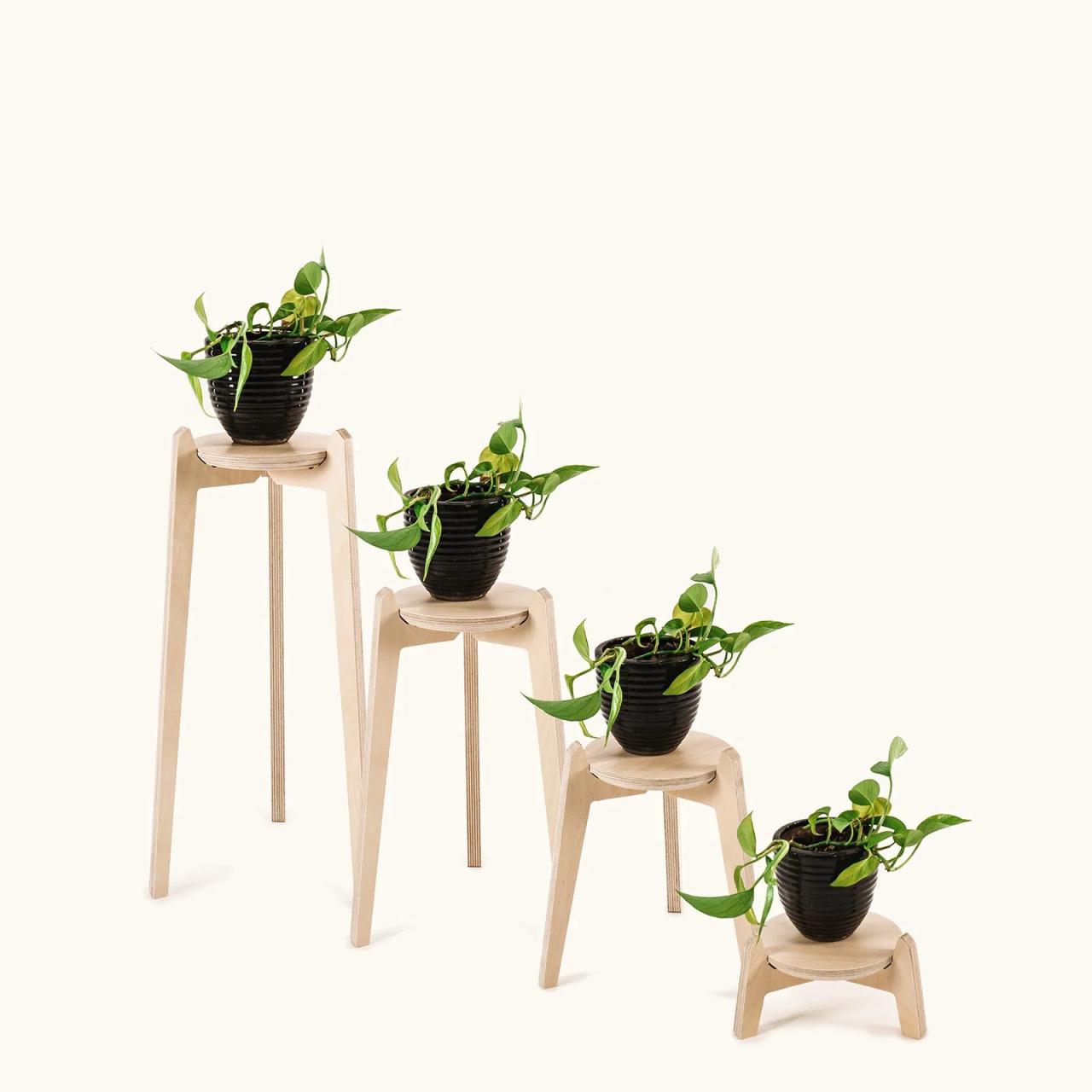
Traditional Japanese plant pots on stands, imbued with centuries of aesthetic refinement, continue to inspire contemporary designers. Modern interpretations often reimagine these classic forms, adapting them to contemporary aesthetics and materials while retaining the core principles of balance, harmony, and the natural world. This fusion of tradition and modernity creates unique pieces that appeal to a broader audience, reflecting a contemporary appreciation for Japanese design principles.Contemporary designers often reinterpret the balance and asymmetry inherent in traditional designs.
They experiment with different materials, colors, and textures to create pots and stands that resonate with contemporary tastes, while still referencing the historical significance and cultural context. The focus remains on creating functional and visually appealing objects that enhance the space they inhabit.
Modern Material Choices
Modern interpretations often feature a wider array of materials than traditional pieces. Contemporary designers frequently employ concrete, ceramic, metal, and even reclaimed wood to create striking contrasts with traditional stoneware or clay. This allows for a greater play of textures and finishes, creating a modern aesthetic while still acknowledging the traditional artistic principles of Japanese design. The use of these materials often emphasizes the unique qualities of each material, such as the rough texture of concrete or the polished sheen of metal, to achieve a desired aesthetic effect.
Contemporary Design Adaptations
Contemporary designs often adapt traditional shapes and proportions to modern needs. For instance, the classic rounded forms of traditional pots might be reinterpreted with sharp, angular lines, or the sleek simplicity of a minimalist design might be infused with a subtle nod to traditional Japanese motifs. Modern adaptations can also incorporate unconventional stand structures, such as sculptural bases or minimalist supports, enhancing the overall aesthetic impact of the plant display.
Traditional vs. Modern Designs
| Feature | Traditional Design | Modern Interpretation | Visual Example |
|---|---|---|---|
| Material | Typically stoneware or clay, emphasizing natural earth tones. | Concrete, metal, reclaimed wood, or a combination of materials, incorporating bolder colors or finishes. | A traditional stoneware pot with a natural matte finish contrasted with a modern concrete pot with a textured surface. |
| Form | Often rounded, organic shapes, emphasizing balance and harmony with nature. | May incorporate sharp angles, geometric shapes, or minimalist forms. | A traditional, gently sloped, ceramic pot compared to a modern, angular, metal pot with sharp edges. |
| Stand | Simple, often wooden or ceramic stands, emphasizing understated support. | Sculptural stands, using metal or concrete, incorporating artistic elements. | A simple wooden stand supporting a traditional pot versus a contemporary metal stand with a sculptural base supporting a modern pot. |
| Decoration | Minimalist, often featuring subtle glazing or natural markings. | May incorporate bold colors, graphic patterns, or even contemporary artwork. | A traditional pot with simple, natural markings versus a modern pot with a vibrant glaze or a painted design. |
Inspirational Images and Examples
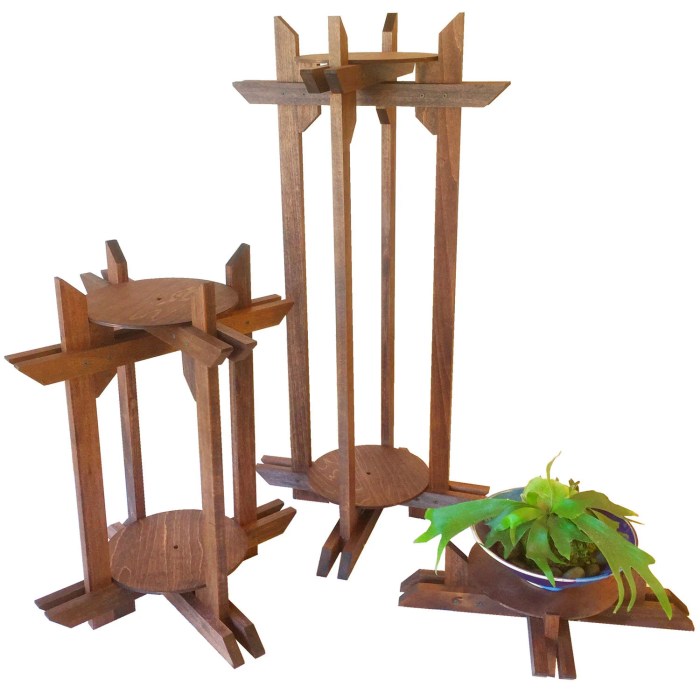
Japanese plant pots on stands, when thoughtfully chosen and arranged, can transform a space. These functional objects become captivating pieces of art, blending aesthetic appeal with practical utility. The careful consideration of form, material, and scale is crucial in achieving a harmonious and visually engaging display.The visual impact of Japanese plant pots on stands stems from the interplay of contrasting elements.
The simple, often minimalist forms of the pots, frequently complemented by the equally understated elegance of the stands, create a sense of serenity and sophistication. This juxtaposition is further amplified by the subtle variations in color and texture, adding depth and interest to the overall composition. The careful selection of plants further enhances the aesthetic experience, providing a natural counterpoint to the crafted elements.
Visual Impact of Different Combinations
The combination of pot and stand is critical. A delicate ceramic pot on a sturdy wooden stand exudes a sense of refined simplicity. Conversely, a bold, lacquered pot on a minimalist metal stand projects a modern, sophisticated aesthetic. These pairings highlight the interplay between the weight and texture of the materials, creating visual interest. The choice of pot and stand dictates the mood and atmosphere of the display.
Examples of Design Elements
- Pottery & Texture: A deep, hand-thrown stoneware pot with a rustic, textured surface, placed on a sleek, lacquered wooden stand, creates a captivating contrast. The rough, organic texture of the pot complements the smooth, polished surface of the stand. This combination evokes a sense of earthy warmth balanced by refined elegance.
- Stand Style & Material: A bamboo stand with a simple, open weave, supporting a glazed ceramic pot with a muted, earthy color, creates a serene and natural feel. The natural material of the stand and the smooth, glazed surface of the pot harmonize to create a tranquil and inviting atmosphere.
- Color & Light: A light gray, stoneware pot with subtle variations in color, sits on a black metal stand. The subtle play of light on the pot’s surface, accented by the dark stand, creates a dramatic yet understated visual impact. This combination exudes a sense of quiet sophistication.
- Pot Shape & Scale: A wide, shallow, ceramic pot with a slightly irregular shape, positioned on a low, square wooden stand, provides a grounded, approachable feel. The informal shape of the pot contrasts with the structured form of the stand, creating a visually engaging display. This arrangement evokes a sense of grounded comfort.
Mood and Feeling Evoked
The imagery of Japanese plant pots on stands often evokes a sense of tranquility and serenity. The carefully considered balance of forms and materials, along with the natural element of the plants, contribute to a calming and contemplative atmosphere. The mood is often one of understated elegance and sophistication, drawing inspiration from Japanese aesthetic principles. These elements combine to create a space conducive to relaxation and appreciation for beauty.
Buying and Sourcing
Navigating the world of Japanese plant pots on stands requires a discerning eye and a knowledge of reputable sources. Authenticity and quality are paramount, and understanding the nuances of online and offline marketplaces is key to a successful purchase. Beyond aesthetics, practical considerations like shipping and handling play a critical role in the overall experience.
Online Retailers
Online platforms offer a vast array of options, from specialized Japanese craft shops to major e-commerce sites. Discovering reliable vendors and verifying the authenticity of items is essential. Look for detailed product descriptions, high-quality images, and clear seller information. Read reviews from previous customers to gauge the seller’s reputation and the quality of their products.
- Specialized Japanese craft shops often feature unique, handcrafted pieces. These shops frequently provide detailed information about the materials and construction, ensuring authenticity and transparency. However, shipping times may be longer than those from large retailers.
- Major e-commerce platforms offer a wide selection of plant pots on stands, often at competitive prices. Thorough research into the seller’s reputation and verification of their authenticity practices is vital. This includes examining past orders and assessing the seller’s return policies.
- Online auction sites can provide unique opportunities to discover rare or vintage Japanese plant pots. However, assessing the authenticity of items and the seller’s reliability requires significant diligence and due diligence. Be prepared for potential variations in pricing, shipping costs, and delivery timelines.
Offline Retailers
Visiting local Asian markets, antique shops, and galleries dedicated to Japanese art can provide a tangible experience. This allows for a direct assessment of the quality and craftsmanship of the items.
- Asian markets often showcase a wide range of Japanese decorative items, including plant pots. Careful examination of the craftsmanship and material details is crucial to ensure authenticity. Negotiating prices is a common practice in some markets.
- Antique shops specializing in Japanese art often carry a curated collection of vintage or antique plant pots. A thorough understanding of Japanese craftsmanship and pottery styles is essential for evaluating authenticity. The prices of these items can vary significantly.
- Galleries dedicated to Japanese art offer high-quality, authentic pieces, but the price points can be higher compared to other options. Consultation with knowledgeable gallery staff is valuable in verifying the authenticity and history of the pots.
Authenticity Verification
Authenticating Japanese plant pots requires careful consideration of several factors. Examine the craftsmanship, materials, and details of the piece to ensure its origins and quality. Look for markings, seals, or other indications of origin and authenticity. Consult with experts or specialists in Japanese art and craftsmanship for reliable advice.
- The presence of traditional Japanese markings, seals, or patterns can significantly increase the likelihood of authenticity. These markings are often unique to particular potters or workshops.
- The quality of the materials used in the pot’s construction should align with the expected standards of Japanese craftsmanship. Variations in clay type and glaze application can reveal the origin and authenticity of the piece.
- Consult with experts in Japanese art and craft. Their expertise and knowledge can help in identifying potential forgeries or imitations. Consult with reputable galleries or museums for their insights.
Shipping and Handling
Shipping and handling play a crucial role in the purchase experience. Adequate packaging and handling are essential to ensure the safe arrival of the item. Request detailed information about shipping options, costs, and delivery times from the seller.
| Retailer | Pros | Cons |
|---|---|---|
| Etsy | Wide selection, potential for unique items, good customer reviews | Shipping costs can be unpredictable, potential for lower quality items |
| Japanese Online Craft Stores | High-quality craftsmanship, authenticity guaranteed, potential for personalized service | Longer shipping times, higher prices |
| Major E-commerce Platforms | Wider selection, lower prices, faster shipping options | Authenticity verification may be challenging, less personalized service |
Closure
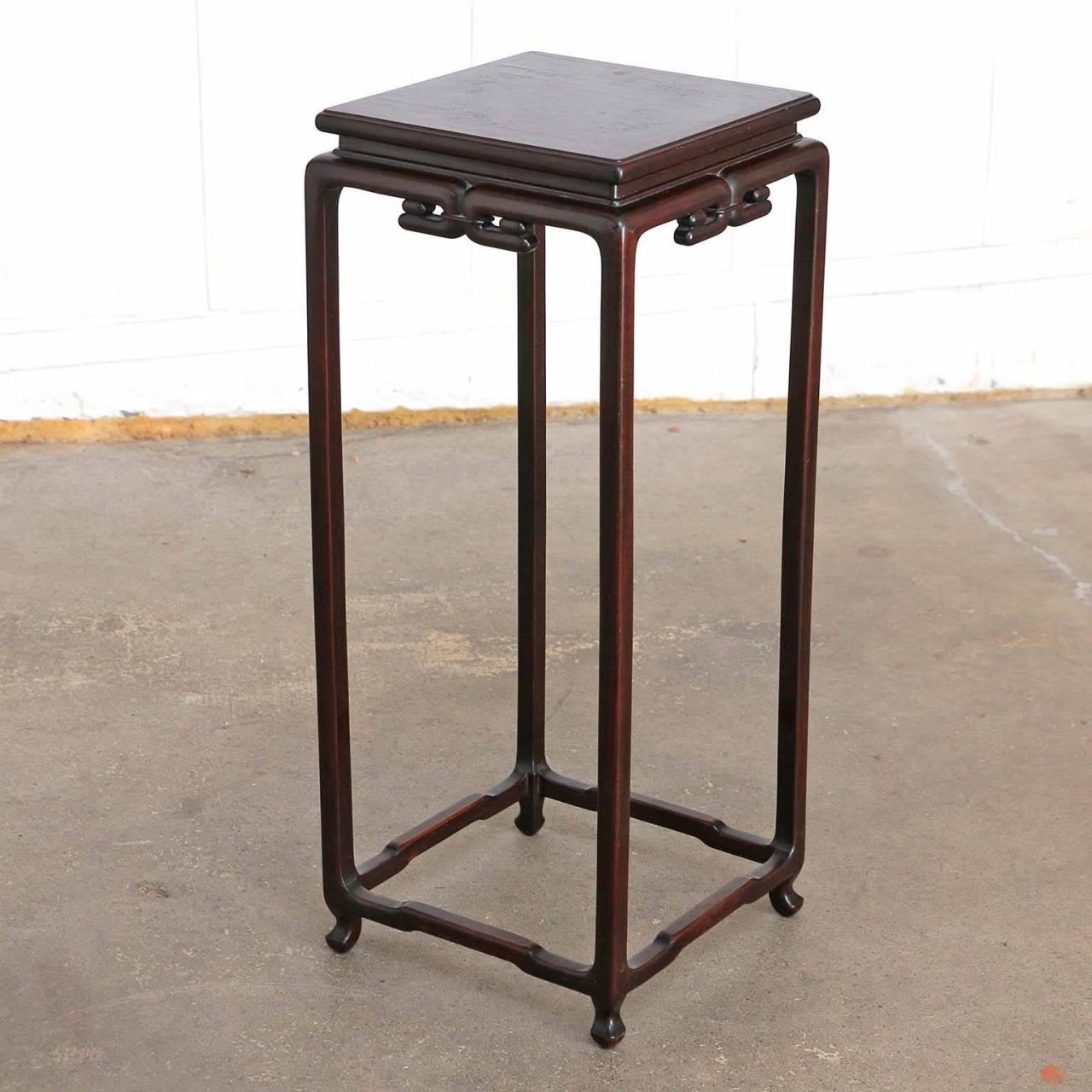
In conclusion, Japanese plant pots on stands represent a rich tapestry of artistry, craftsmanship, and cultural heritage. Their enduring appeal stems from the careful balance of form and function, enabling them to seamlessly integrate into diverse settings, from traditional homes to modern interiors. By understanding the nuances of materials, styles, and placement, you can curate a space that reflects both your personal style and the timeless beauty of Japanese design principles.
